Gamla Uppsala Church: The Rise and Fall of the Cathedral
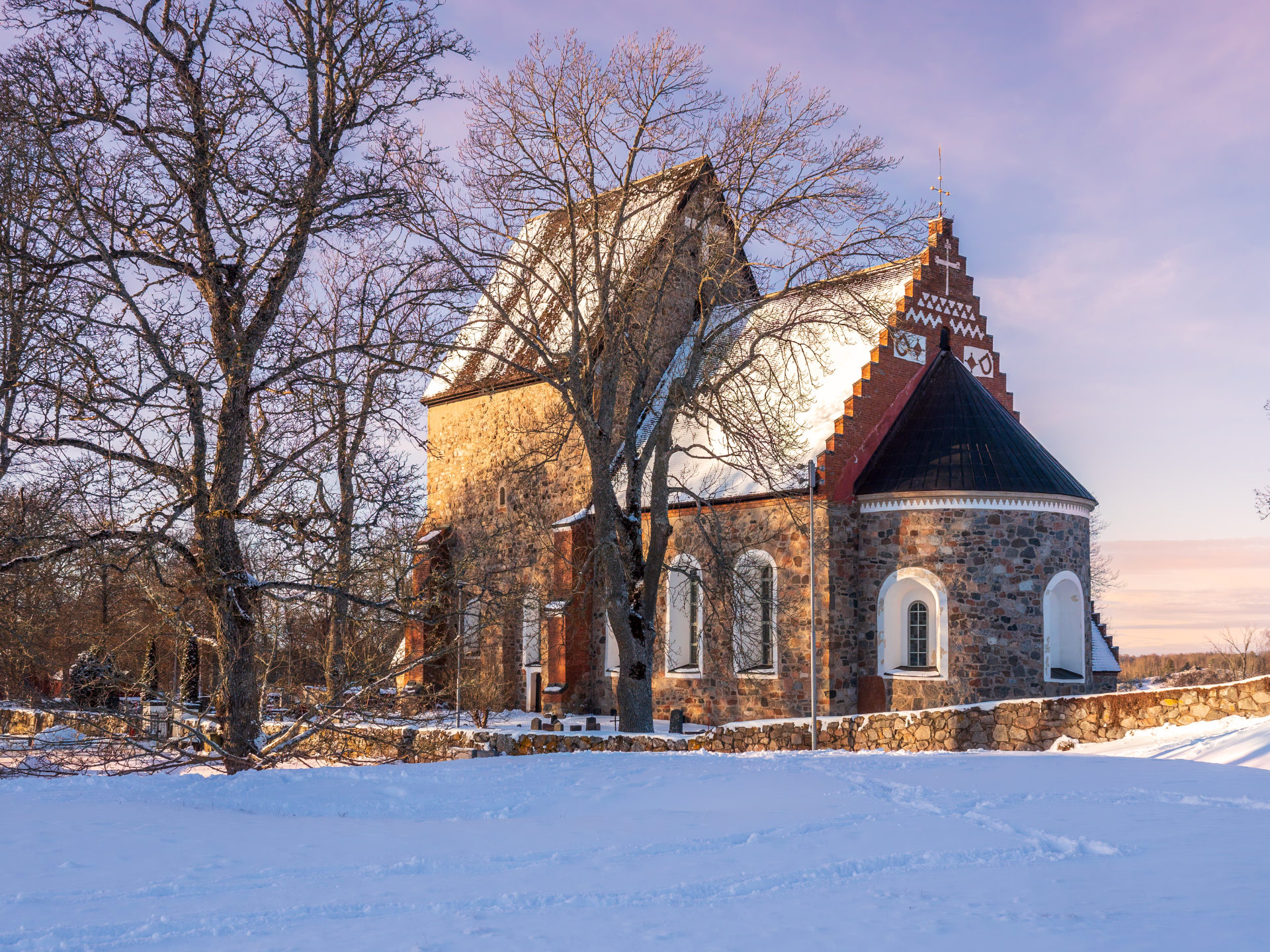
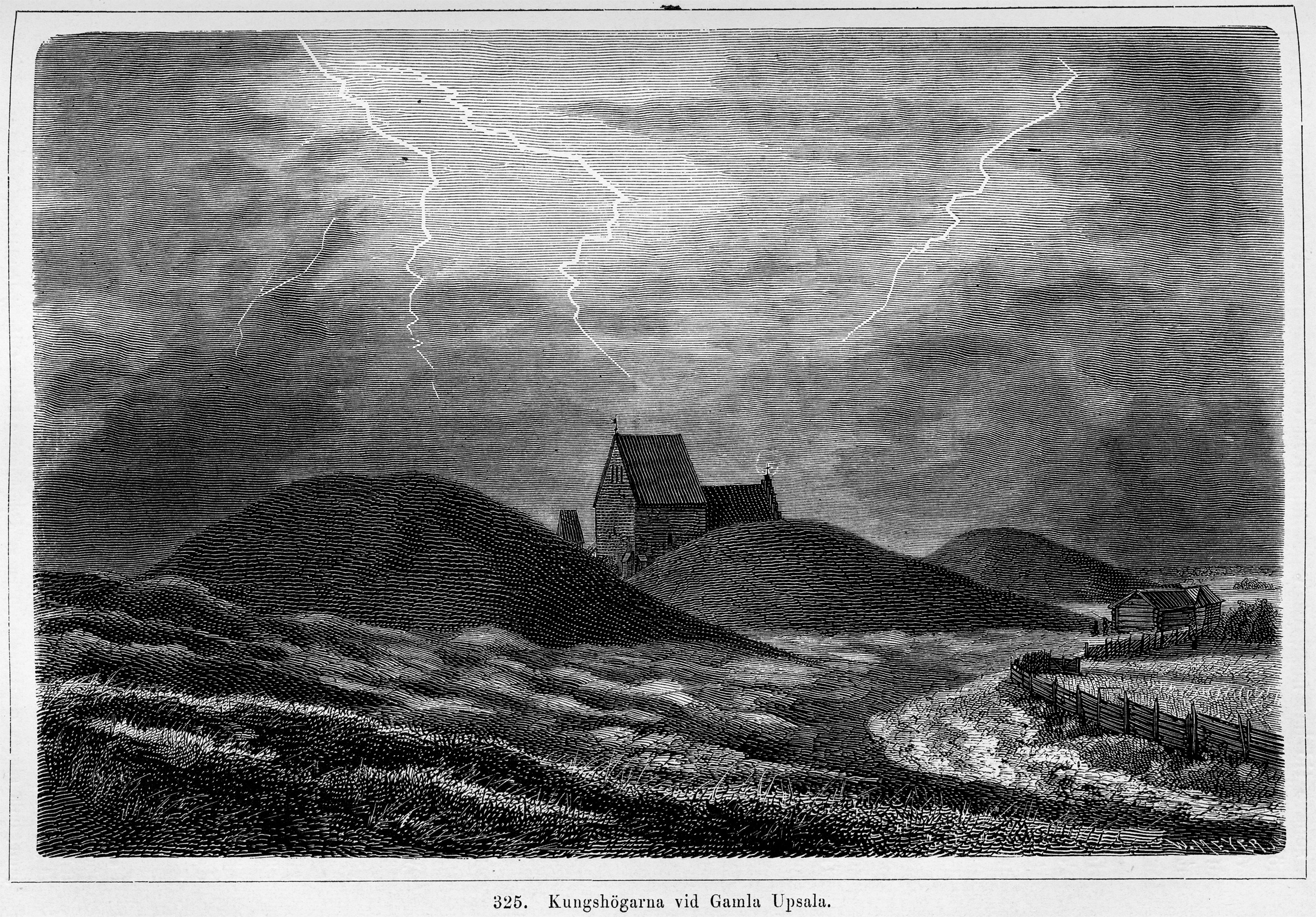
For centuries, they have lain there like siblings before the eyes of beholders: the three mighty royal mounds and the medieval church with its towering stone tower. Much has changed over time, but these monuments stand as guarantees for both the past and the future. A security that creates trust and something to hold on to.
Sometime around the floating millennium, a major change occurred. The prevailing Asa faith was to be replaced by something new, the belief in "White Christ," which was brought from the southern parts of Europe. Surely, the old and the new faith went hand in hand for a long time. To completely eradicate the Asa faith that had reigned in Gamla Uppsala for centuries could not be done at once. The eastern Royal Mound, which had already stood for around five hundred years, now witnessed a small wooden church being built at its foot. A new era had arrived.
Soon enough, the construction of a gigantic cathedral for its time began. We do not know the exact start date for the cathedral, but it must have been in the first half of the 12th century. In 1164, the Swedish dioceses were detached from Danish Lund and got their archiepiscopal see in Gamla Uppsala. In the same year, the Alvastra monk Stefan became the first archbishop, and it is likely that the cathedral was then ready to be used.
The large stone church was about twice the size of today's church.
Barely a century later, the church was ravaged by fire. The stone walls remained, but the roof and interior were burned out. What would happen now? Some voices were raised to renovate and rebuild the church. Others understood that times had changed and that the political and economic center had moved half a mile south to the trading post Östra Aros (Eastern River Mouth).
With the Pope's gracious permission, it was decided to build a new cathedral in Östra Aros instead of rebuilding the fire-damaged church in Gamla Uppsala. But it was done with some additions. What we today call Gamla Uppsala was originally called only Uppsala, and now the demand from the Vatican was that the name should be moved and replace Östra Aros. The name Uppsala was well known, and it was important to find legitimacy for the new place and its church. Furthermore, the archiepiscopal see would also move from what was now called Gamla Uppsala down to the new Uppsala.
The burnt-out cathedral was demoted to an ordinary parish church, albeit with an unusually proud past. Parts of it were demolished, and its stones were used for the new church in Uppsala. In 1695, the church burned again, and since then a number of renovations have been made. The thick stone walls are the same as those painstakingly bricked up about nine hundred years ago, and three things from the original church also remain: a bishop's chair, an offering chest of oak, and the remains of a crucifix. You can read about these in the next chapter.
Today, the church in Gamla Uppsala is a very well-visited and living place. It is a popular wedding, baptism, concert, and tourist church for both parishioners and visitors from all over the world. With its generous opening hours, it is an oasis for stillness and reflection that carries centuries of generational chains. The thought easily becomes dizzying when you sit in a church pew and become part of both the past and the future.